
Understanding Lavender Essential Oil in Soaps
Lavender essential oil is one of the most recognisable botanical ingredients in natural soapmaking. Its distinctive floral and herbal fragrance has made it a favourite among traditional soapmakers and people who enjoy naturally scented bathing products.
From handmade lavender soap bars to botanical bath products, this essential oil has remained popular for generations. Its familiar aroma, plant-based origins and versatility make it an interesting ingredient to explore when learning about traditional soapmaking.
But where does lavender essential oil come from, how is it produced, and why do soapmakers continue to use it?
What is Lavender Essential Oil?
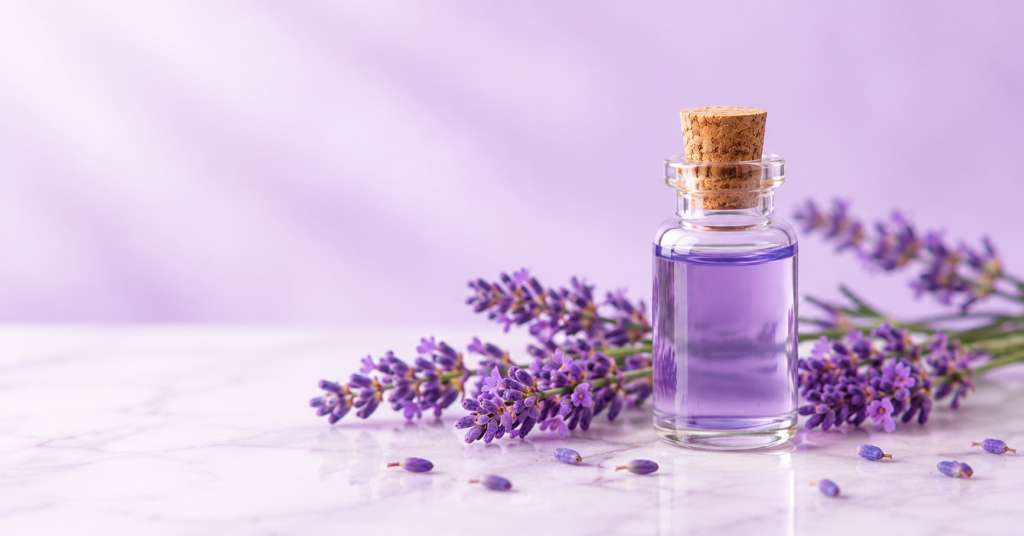
Lavender essential oil is a concentrated aromatic oil obtained from the flowers and flowering tops of the lavender plant, particularly Lavandula angustifolia, commonly known as English lavender.
Lavender belongs to the mint family and is traditionally associated with Mediterranean regions. Today, it is cultivated in several countries, including the United Kingdom and France.
The essential oil contains naturally occurring aromatic compounds that give lavender its characteristic scent. Two well-known components are linalool and linalyl acetate, which contribute to its familiar floral and slightly herbal fragrance.
Unlike fragrance oils, which may contain synthetic fragrance ingredients, lavender essential oil is obtained from botanical material. This makes it a popular choice among soapmakers who prefer plant-derived fragrances in their formulations.
How is Lavender Essential Oil Obtained?
Lavender essential oil is most commonly produced through steam distillation.
During this process, freshly harvested lavender flowers are exposed to steam. The heat helps release the plant’s volatile aromatic compounds, which travel with the steam through a cooling system.
As the steam condenses, the essential oil separates from the water and can be collected.
The resulting lavender essential oil is highly concentrated, so only small quantities are needed in cosmetic formulations.
The quality and aroma of lavender oil can vary depending on several factors, including the lavender variety, growing conditions, harvesting time and distillation process.
Understanding Lavender’s Distinctive Floral and Herbal Fragrance
One reason lavender essential oil is so widely used in natural soap is its recognisable fragrance.
Unlike some strongly floral scents, lavender has a balanced aroma that combines several fragrance characteristics.
- Floral: A soft, familiar flower-like scent.
- Herbal: A fresh, slightly green aroma that adds depth.
- Fresh: A clean fragrance that works well in everyday bathing products.
- Subtly woody: Certain lavender oils have gentle earthy undertones.
These fragrance characteristics make lavender versatile enough to be used on its own or blended with other essential oils.
It pairs particularly well with chamomile, rosemary, cedarwood and citrus essential oils, allowing soapmakers to create different botanical fragrance combinations.
Why do Soapmakers use Lavender Essential Oil?
Lavender essential oil has a long history in personal care and remains a popular ingredient in handmade soapmaking.
Here are some reasons why soapmakers continue to choose it.
1. A Familiar Botanical Fragrance
Lavender offers a recognisable floral aroma that appeals to people who enjoy botanical scents. It is a popular alternative for those who prefer essential oil fragrances over synthetic perfumes.
2. Versatility in Soap Formulations
Lavender essential oil can be used in different types of handmade soap, including cold-process soap. It can also be combined with other botanical ingredients to create distinctive fragrance profiles.
3. A Traditional Ingredient
Lavender has been used in personal care and household preparations for generations. Its continued presence in modern natural skincare reflects the lasting appeal of familiar botanical ingredients.
4. Suitable for Different Product Styles
Whether used in a simple lavender soap bar or a more complex botanical blend, lavender essential oil can complement a variety of soap formulations.
Soapmakers must still follow appropriate cosmetic safety guidelines when deciding how much essential oil to use. Essential oils are concentrated substances and are not automatically suitable for every skin type.
Lavender Fragrance in Everyday Bathing Products
Lavender is commonly found in handmade soaps, bath oils, shower products and other personal care formulations.
In cold-process soapmaking, lavender essential oil is generally incorporated into the soap mixture during formulation. The mixture is then poured into moulds, allowed to harden and left to cure.
One interesting aspect of using essential oils in soap is that the finished fragrance can differ from the original oil. The alkaline soap environment and curing process can influence how the scent develops and how noticeable it remains.
This is why selecting suitable essential oils and understanding their behaviour in soapmaking are important parts of creating a well-formulated handmade soap.
For small-batch soapmakers in the UK, lavender remains a familiar choice for creating traditional botanical soaps with a recognisable fragrance.
How to Enjoy Lavender Soap in a Simple Skincare Routine
You do not need a complicated collection of products to enjoy lavender in your daily routine.
A handmade lavender soap bar can be incorporated into your regular bath or shower.
Simply wet your skin with warm water, work the soap between your hands to create a lather, gently cleanse and rinse thoroughly.
After bathing, pat your skin dry with a clean towel. You can follow with a moisturising balm or body care product if your skin needs additional moisture.
To help your handmade soap last longer, keep it on a well-draining soap dish and allow it to dry between uses.
If you have sensitive skin, remember that lavender essential oil can cause irritation or allergic reactions in some people. Check the ingredients and patch test before regular use.
The Lasting Appeal of Lavender Essential Oil in Handmade Soap

Lavender essential oil continues to be a favourite in traditional soapmaking because of its distinctive fragrance, botanical origins and versatility.
From its production through steam distillation to its use in cold-process soap, there is a fascinating process behind every lavender-scented soap bar.
At CJTallow, we appreciate traditional soapmaking methods, carefully selected ingredients and the craftsmanship involved in producing handmade soaps in small batches.
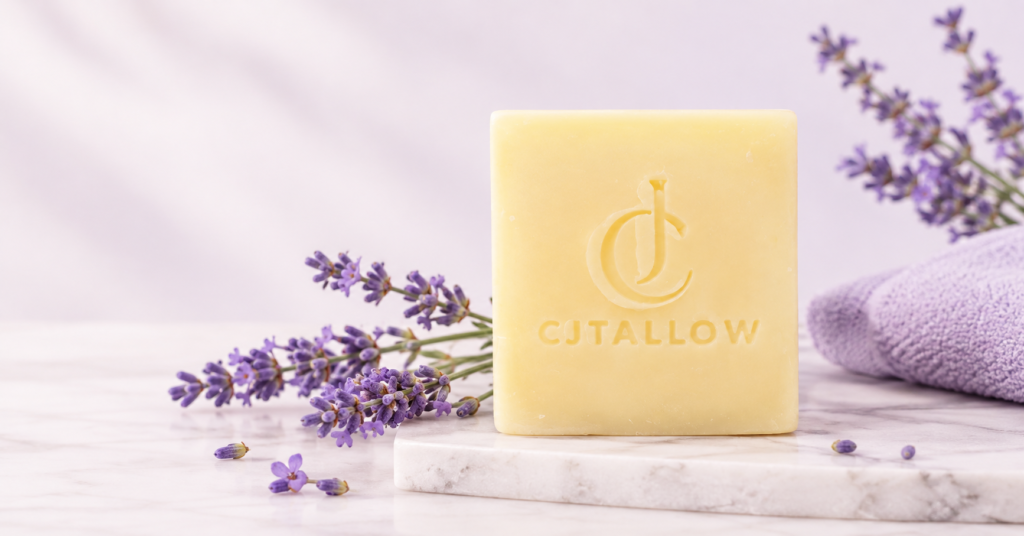
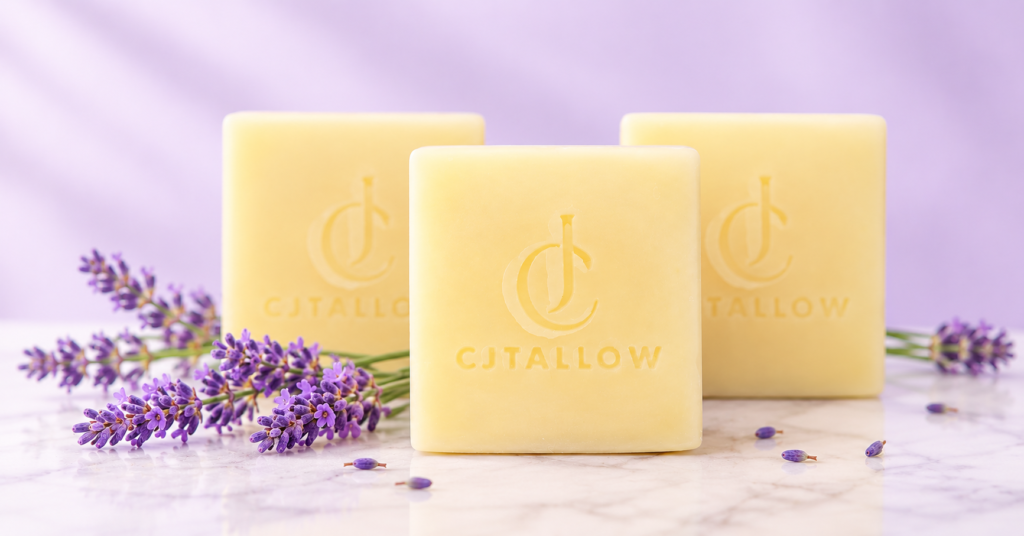
Our Lavender Tallow Soap brings together traditional soapmaking and the familiar floral fragrance of lavender, making it a lovely choice for those who enjoy botanical-inspired bathing products.
Sometimes, it is the simplest ingredients and familiar fragrances that make everyday routines enjoyable.